

By Muhammad shafique Baloch Advocate High Court
Why It’s Crucial for Your Asylum Application When applying for asylum, your claim needs to be backed by solid evidence to convince immigration authorities that you have a legitimate fear of persecution. While personal testimonies are important, documentary evidence is the cornerstone of any successful asylum case. At www.bestlawyerlahore.com, we believe that comprehensive and well-organized evidence significantly strengthens your application and increases the likelihood of approval.In this blog, we’ll discuss why documentary evidence is necessary for a successful asylum case and how it can help you build a more persuasive, credible claim.
Why Documentary Evidence is Key for Asylum Cases.
Asylum seekers often come from countries where they have faced persecution, discrimination, or threats based on their race, religion, nationality, political beliefs, or membership in a particular social group. Immigration authorities need concrete proof to evaluate these claims. Without reliable evidence, your case could be dismissed or rejected.
1. Credibility and Support for Your Personal Statement. Your personal statement is an important part of your asylum claim. However, a personal testimony alone may not be enough to convince authorities. Documentary evidence acts as a form of support, validating your story and increasing its credibility. Documents such as medical reports, police records, news articles, or affidavits from witnesses can corroborate the details in your personal statement.For example, if you are claiming that you have been subjected to physical harm or torture, medical records or a doctor’s affidavit stating your injuries can substantiate your claim.
2. Evidence of Persecution or ThreatsTo qualify for asylum, you must demonstrate that you have been persecuted or are at risk of persecution in your home country. Documentary evidence is essential in proving this. This type of evidence can include:- FIRs (First Information Reports) or police reports documenting incidents of violence or threats.-
Threat letters or emails from individuals or groups that pose a risk to you.-
Newspaper articles or social media posts about the situation or group responsible for the persecution.T
hese documents can be pivotal in establishing that the persecution you experienced is credible and ongoing.
3. Aligning Your Case with International Standards.
Different countries have different standards for granting asylum, but they all require applicants to prove that they meet the definition of a refugee under international law. The United Nations High Commissioner for Refugees (UNHCR) outlines specific criteria for determining refugee status, including proof of persecution and the inability to seek protection from the government in your home country.Documentary evidence helps to align your case with these international standards by providing tangible proof of the conditions you faced and the threats against you.
4. Strengthening Your Case in the Face of Scrutiny. Asylum authorities often face a high volume of cases, and they are required to scrutinize each one thoroughly. In such an environment, the more comprehensive and organized your evidence is, the stronger your case will appear. Documentary evidence not only demonstrates that you are organized and serious about your application but also increases the likelihood that your claim will be given the proper attention.
Moreover, immigration authorities may question your credibility or doubt your version of events. Having supporting documentation makes it harder for authorities to dismiss your claim, as it presents a clearer and more reliable picture of the dangers you face.5. Dealing with Delays or Denials.
Unfortunately, many asylum seekers face delays or denials in their initial applications. In these cases, documentary evidence becomes even more important. If your case is denied, you will likely need to appeal or resubmit your application. Having thorough and well-organized documentation helps to show that you have a valid case and that your situation has not changed.In some cases, additional evidence may be required to strengthen your appeal.
Collecting this evidence in advance can expedite the process and give your case a better chance at success.
What Types of Documentary Evidence Are Needed?
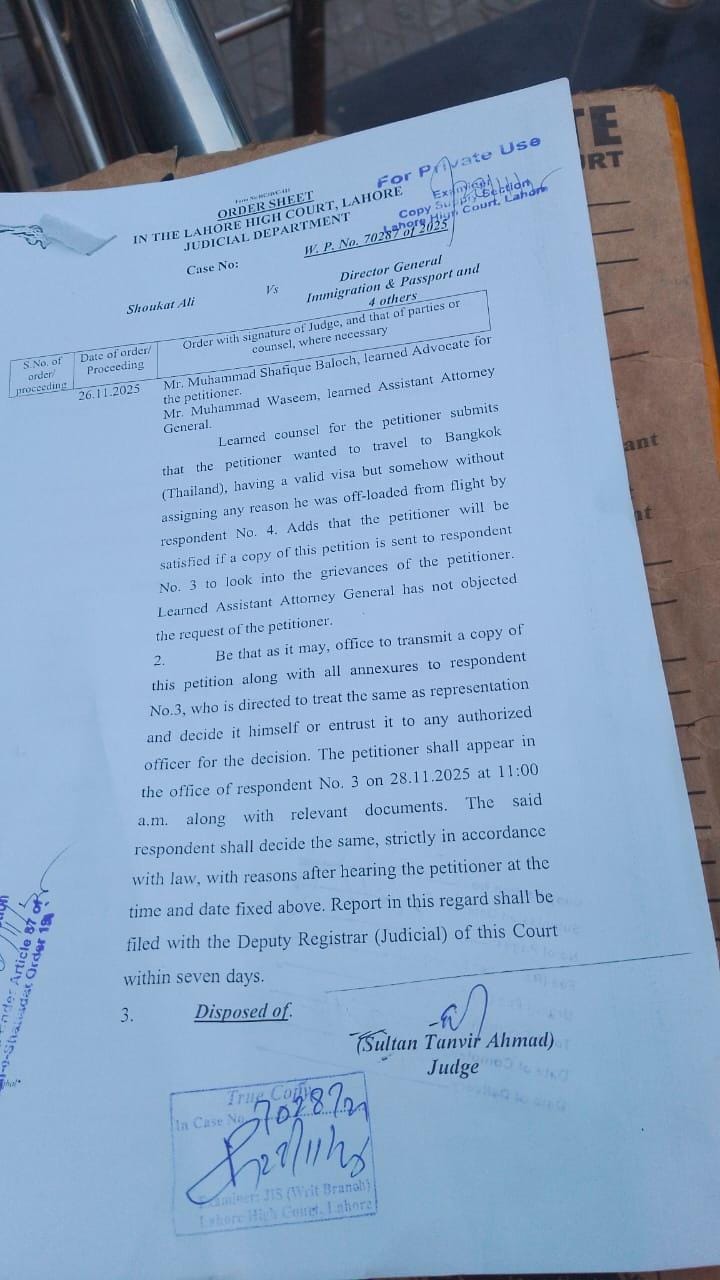
Asylum applications require different types of documentary evidence depending on the nature of the persecution you are claiming. However, some common types of documents include:- Official documents: Birth certificates, identification cards, passports, and visas.– Police and medical records: Reports of violence, injury, or detention.- Witness affidavits: Statements from individuals who can testify to the threats or persecution you faced.- Newspaper articles and media reports: Articles documenting the situation in your home country or incidents related to your persecution.- Photographs and videos: Visual evidence of threats, violence, or damage to property.
How We Can Help At www.bestlawyerlahore.com, we specialize in collecting and organizing documentary evidence to support your asylum application. With our extensive experience and expertise, we ensure that your evidence is legally sound and meets the required standards for submission. Our team will assist you in:-
Gathering and authenticating documents: We ensure that the evidence you submit is credible and admissible.-
Drafting affidavits: We can help prepare witness statements and other documents that align with your story.-
Building a robust case: We’ll work with you to ensure that your documentary evidence aligns perfectly with your asylum claim.
Strengthening Your Asylum Case with Documentary Evidence.
Documentary evidence is the backbone of any successful asylum application. It strengthens your credibility, provides concrete proof of the threats or persecution you’ve faced, and helps ensure that your case aligns with international standards. Without it, your application risks being dismissed, regardless of the validity of your claim.
At www.bestlawyerlahore.com, we are committed to helping Pakistani asylum seekers navigate the complexities of the asylum process. With our guidance and expertise in collecting and presenting documentary evidence, you can significantly improve your chances of success.Get in Touch Today If you need assistance with your asylum case or have questions about gathering documentary evidence, don’t hesitate to contact Advocate Muhammad Shafique Baloch. We’re here to help you build the strongest possible case.- Website: www.bestlawyerlahore.com- WhatsApp: 0321-4960782– Office Address: Office No. 3, Basement, Miccop Centre 1, Mozang Road, near AG Office Chowk, Lahore.