

www.bestlawyerlahore.com
By Muhammad Shafique Baloch Advocate High Court .
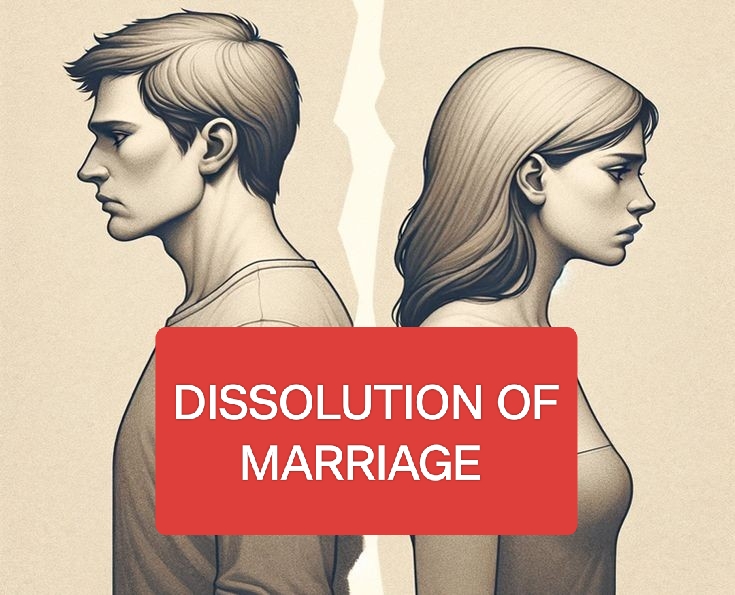
Marriage is a sacred bond, but sometimes circumstances lead to its dissolution. In Pakistan, the dissolution of marriage is governed primarily by the Dissolution of Muslim Marriages Act 1939 and Family Courts Act 1964. Understanding these laws is crucial for anyone seeking to end their marriage legally and respectfully.
Grounds for Dissolution of Marriage (Khula and Talaq)In Pakistan.
A Muslim marriage can be dissolved in several ways, the most common being Khula (initiated by the wife) and Talaq (initiated by the husband).
Khula: This is the right of a Muslim woman to seek divorce from her husband. She can file for Khula in a family court by stating that she cannot live with her husband within the limits prescribed by Allah. Some valid reasons for Khula include:Cruelty: Physical or mental abuse (Section 2(viii)(a) of the Dissolution of Muslim Marriages Act 1939).Neglect or failure to provide maintenance: If the husband fails to provide for the wife’s maintenance for two years (Section 2(ii) of the Dissolution of Muslim Marriages Act 1939).Imprisonment of the husband: If the husband has been sentenced to imprisonment for seven years or more (Section 2(v) of the Dissolution of Muslim Marriages Act 1939).Failure to perform marital obligations: If the husband fails to perform his marital obligations without reasonable cause for three years (Section 2(iv) of the Dissolution of Muslim Marriages Act 1939).Any other ground recognized as valid for dissolution of marriage under Muslim law.Talaq: This is the right of the husband to unilaterally divorce his wife. The process of Talaq has evolved, and following the Supreme Court’s direction in PLD 2020 SC 57, the husband must provide a valid reason for Talaq and follow the procedure prescribed in the Muslim Family Laws Ordinance 1961, which includes notifying the Chairman of the Arbitration Council.
Procedure for Dissolution of MarriageFiling a Suit: The aggrieved party must file a suit in the Family Court having jurisdiction.Notice to the Respondent: The court issues a notice to the other party (respondent) to appear before the court.
Reconciliation Efforts: The Family Court is mandated to attempt reconciliation between the parties before proceeding further (Section 12 of the Family Courts Act 1964).Recording of Evidence: If reconciliation fails, the court records evidence from both parties.
Decree of Dissolution: Based on the evidence and arguments, the court issues a decree for dissolution of marriage if the grounds are proved.
Why Choose Legal Representation?Navigating the legal complexities of divorce can be challenging. As an experienced advocate practicing in Lahore, I can provide expert guidance and representation to ensure your rights are protected. Whether you are seeking Khula or facing a Talaq, I can help you through:Legal Consultation: Understanding your rights and options.Drafting and Filing: Preparing and filing the necessary legal documents.Court Representation: Presenting your case effectively in court.Negotiation and Mediation: Facilitating amicable settlements.Contact Me Today if you are facing marital issues and considering dissolution of marriage, do not hesitate to reach out for professional legal advice. You can contact me, Muhammad Shafique Baloch Advocate, at my office:Office No 3 basement Miccop centre 1 Mozang road near AG office chowk Lahore
WhatsApp: 03214960782
Website: www.bestlawyerlahore.
come Let me help you navigate this difficult time with expertise and compassion.