


By Kalsoom Shafique Baloch
The Author is a Senior Teacher at Lahore Grammar School.
Weather and Education: Challenges and Solutions in Pakistan.
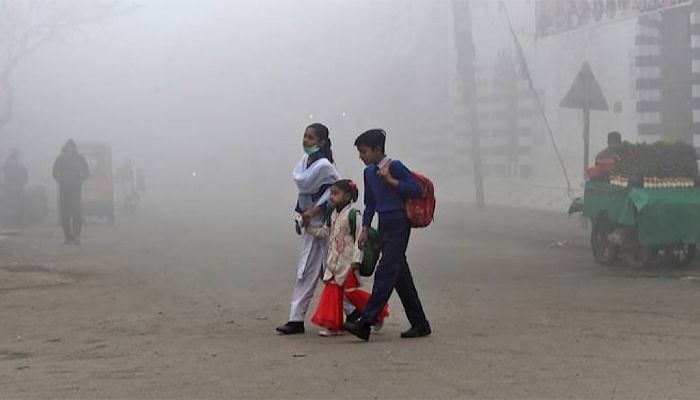
Extreme weather conditions significantly impact education systems worldwide. From school closures due to storms and floods to disruptions caused by heatwaves and cold snaps, weather poses serious challenges to maintaining educational continuity.
Pakistan, a country frequently affected by climatic extremes, faces unique hurdles in managing these disruptions.
Globally, nations tackle such issues through technology integration, climate-resilient infrastructure, and flexible learning models.
However, in Pakistan, the approach has largely been reactive, with frequent school closures during adverse weather. While this ensures the safety of students and staff, it also raises concerns about its long-term impact on education quality.
The challenges in Pakistan include:
Academic Loss: Prolonged closures reduce instructional time and disrupt the academic calendar.
Inequality: A significant digital divide leaves most students unable to access online learning alternatives.
Future Risks: Learning gaps created by these interruptions could affect the future prospects of millions of students.
To address these issues, Pakistan must adopt a forward-thinking approach:
Build weather-resilient schools to withstand extreme conditions.
Expand access to e-learning tools to ensure continuity during closures.
Develop flexible academic calendars and alternative education models.
Engage communities in disaster preparedness to reduce educational disruptions.
By prioritizing these solutions, Pakistan can minimize the impact of weather on its education system, ensuring that students’ learning and future remain uninterrupted.
This proactive approach is essential to safeguard education and equip the nation for a resilient future.