
By Muhammad shafique Baloch Advocate High Court
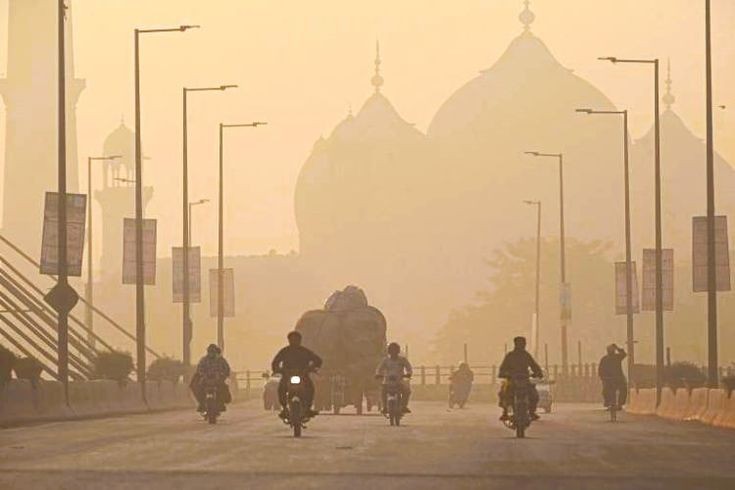
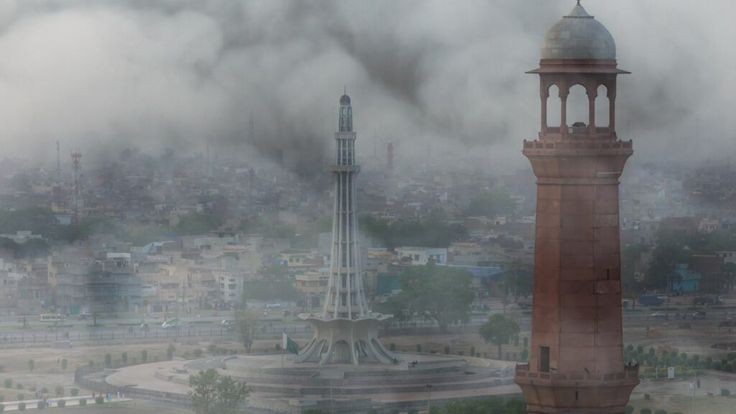
The smog choking Pakistan’s cities, particularly Lahore, is a harsh reminder of the environmental challenges we face. Amid this crisis, the recent inclusion of Article 9A in Pakistan’s Constitution stands as a significant step forward. By guaranteeing every citizen’s right to a clean, healthy, and sustainable environment, this amendment highlights the state’s responsibility to address environmental issues and protect public health.
However, the current wave of smog also exposes the gap between constitutional aspirations and ground realities. This blog examines the importance of Article 9A, its implications for combating smog, and what needs to be done to translate this legal provision into tangible change.
–What Does Article 9A Say? The newly added Article 9A is a progressive amendment with three critical clauses:
1. Right to a Clean Environment: It guarantees every citizen the right to a clean, healthy, and sustainable environment, elevating this right to a constitutional level.
2. State Responsibility for Environmental Protection: The state is mandated to adopt policies that conserve the environment for future generations.
3. Sanitation for All: It emphasizes the importance of sanitation facilities, recognizing their impact on public health and the environment. This amendment is more than just a symbolic gesture—it provides a legal foundation to hold the state accountable for environmental negligence.
–Smog Crisis: A Challenge to Implementation.
Despite Article 9A’s promise, the smog currently engulfing Pakistan’s major cities illustrates the urgent need for action. Smog, primarily caused by vehicular emissions, industrial pollution, stubble burning, and urban sprawl, has reached hazardous levels, leading to severe health consequences such as respiratory illnesses and reduced life expectancy. The smog crisis highlights several gaps in Pakistan’s environmental management.
Weak Enforcement: Environmental laws exist, but enforcement remains sporadic and ineffective.
Limited Awareness: Citizens are often unaware of the environmental and health impacts of their activities, such as burning waste.
Inadequate Infrastructure: Insufficient public transport and poor urban planning exacerbate vehicular emissions and congestion.
Cross-Border Issues: Agricultural burning in neighboring regions worsens air quality, requiring regional cooperation.
Bridging the Gap: Making Article 9A Work. For Article 9A to effectively combat environmental crises like smog, a multi-pronged approach is essential:
1.Policy Enforcement and Accountability. The state must enforce existing environmental laws, such as banning stubble burning and penalizing industries and vehicles that exceed emission standards. Environmental tribunals should be empowered to take swift and strict action.
2.Promoting Green Technology. Transitioning to renewable energy, promoting electric vehicles, and upgrading industrial technology can significantly reduce emissions. Tax incentives and subsidies for cleaner alternatives can encourage adoption.
3. Expanding Green Cover. Mass afforestation campaigns, like the Billion Tree Tsunami, need to be scaled up, especially in urban areas, to improve air quality and reduce heat island effects.
4. Awareness Campaigns. Public awareness initiatives about the impact of smog and ways to mitigate it—such as carpooling, waste management, and avoiding outdoor activities during smoggy days—are critical.
5. Improving Urban Infrastructure.
Investments in efficient public transport systems can reduce vehicular emissions, while better urban planning can address issues of overcrowding and waste management.
6. International Collaboration. Since smog does not respect borders, Pakistan must work with neighboring countries to address shared challenges, such as stubble burning and transboundary pollution.
A Call to Action. The smog crisis is a test of Pakistan’s commitment to Article 9A. While the constitutional guarantee of a clean environment is a powerful tool, its success depends on how effectively it is implemented. Citizens, industries, and the state must work together to transform this legal milestone into real-world change. At www.bestlawyerlahore.com, we are dedicated to advocating for environmental justice and holding entities accountable for violations of environmental laws. If you are affected by environmental negligence or need legal guidance, contact us today. Together, we can ensure that Article 9A serves as a cornerstone for a cleaner, healthier, and more sustainable Pakistan.